In today's fast-paced digital landscape, the ability to rapidly adapt and innovate defines market leaders. A seismic shift is underway, driven by the strategic advantage of integrating generated data into workflows. This isn't just about adopting new tech; it's about fundamentally rethinking how work gets done, leveraging artificial intelligence (AI) and generative AI to automate complex tasks, extract deeper insights, and enable unprecedented levels of efficiency and intelligence across your organization. From mundane data entry to sophisticated decision-making, generated data is becoming the unseen engine of smarter, more responsive operations.
At a Glance: Key Takeaways
- Boost Efficiency: Automate repetitive, high-volume tasks like document processing, data categorization, and report generation, freeing up human talent.
- Enhance Accuracy: Minimize human error in data entry and complex calculations, leading to more reliable outputs.
- Gain Deeper Insights: Utilize AI-powered predictive analytics to improve forecasting, identify trends, and make data-driven decisions.
- Improve Customer Experience: Deploy intelligent chatbots and email triage for faster, more personalized customer service.
- Streamline Complex Processes: Generative AI handles unstructured data, makes context-aware decisions, and creates content (text, summaries, code) that traditional systems can't.
- Ensure Adaptability: Implement AI solutions that are scalable, compliant, and continuously optimized to meet evolving business needs.
- Empower Your Team: Provide training and foster a culture of innovation to ensure seamless adoption and maximize the benefits of AI integration.
The Unseen Engine: What is Generated Data and Why Integrate It?
"Generated data" refers to information, insights, or content produced autonomously by AI systems, rather than solely by human input or traditional rule-based programming. This encompasses everything from the automated categorization of incoming emails, predictive analytics forecasting market trends, to sophisticated text summaries, images, and even new code snippets created by generative AI. It's about AI acting as a co-creator and an intelligent assistant, processing vast datasets to deliver actionable outputs.
The core motivation behind integrating this powerful data source into your existing workflows is simple: optimization. AI data processing automates time-consuming, repetitive tasks, extracts meaningful insights from large, often unstructured datasets, and significantly reduces errors inherent in manual processes. For mid-sized enterprises and large corporations alike, thoughtful AI integration translates directly into smoother transitions, better outcomes, and a substantial competitive edge.
Beyond Buzzwords: The Tangible Impact on Your Operations
The promise of generated data isn't just theoretical; it delivers concrete benefits across various operational fronts:
- Dramatic Efficiency Gains: Imagine the hours saved when AI handles document processing, data categorization, and report generation. Your team shifts from rote tasks to higher-value, strategic work, improving overall productivity.
- Unparalleled Accuracy: Manual data handling is prone to human error. AI systems, once properly trained and refined, perform these tasks with consistent precision, leading to more reliable data and fewer costly mistakes.
- Smarter, Faster Decisions: AI-powered predictive analytics can sift through historical data and real-time inputs to offer highly accurate forecasts, identify emerging trends, and even recommend optimal actions. This empowers decision-makers with a data-backed foundation, rather than relying on intuition alone.
- Enhanced Customer Experience: From intelligent chatbots handling routine inquiries to AI-driven email triage ensuring rapid responses, generated data improves customer service, leading to higher satisfaction and loyalty.
- Unlocking Unstructured Data: Generative AI models excel at interpreting and processing unstructured data—think customer emails, legal documents, meeting transcripts, or social media feeds. They can extract context, summarize key points, and make nuanced decisions, automating tasks previously considered too ambiguous or complex for traditional systems.
By embedding this intelligence into every step of your business processes, you don't just upgrade your tools; you fundamentally upgrade your operational intelligence.
Your Blueprint for Seamless Integration: A Step-by-Step Guide
Successfully integrating AI and generated data into your workflows requires a strategic, phased approach. Here's how to build your roadmap:
1. Pinpointing Pain Points: Where AI Shines Brightest
Before diving into tools, take stock of your current operations. Gather input from teams across departments to identify workflow bottlenecks, repetitive tasks, and areas where human error is frequent. Where are people spending disproportionate time on low-value tasks?
Common candidates for AI intervention include:
- Data Entry & Validation: Automating the input and verification of information.
- Report Generation: Creating routine reports based on specified data sets.
- Document Organization & Classification: Automatically sorting and tagging documents.
- Customer Service: Handling initial inquiries, routing requests, or generating quick responses.
- Forecasting & Planning: Leveraging predictive analytics for sales, inventory, or resource allocation.
By understanding where AI can deliver the most immediate and significant impact, you ensure your efforts are focused and yield tangible results.
2. Choosing Your Tools: Compatibility, Scalability, Compliance
The market is flooded with AI solutions. Your task is to select tools that align precisely with your identified needs and long-term business objectives. Prioritize solutions that offer seamless integration capabilities, such as cloud-based AI services, robust APIs, and machine learning platforms. This minimizes disruption to existing systems and accelerates adoption.
Consider these critical factors:
- Compatibility: Does the AI tool play well with your current tech stack (CRM, ERP, BPM platforms)? Look for open APIs and established connectors.
- Scalability: Can the solution grow with your business? Modular expansion, adaptive learning capabilities, and flexible infrastructure are key.
- Compliance & Security: Especially for sensitive data, ensure the AI solution adheres to relevant regulatory standards (GDPR, HIPAA, etc.) and offers enterprise-grade security features.
- Ease of Use: How steep is the learning curve for your team? User-friendly interfaces can significantly impact adoption rates.
Platforms like modern Business Process Automation (BPA) systems are increasingly "AI-ready," offering built-in AI task steps, JSON integration nodes, and REST connectors to easily embed models like GPT, Claude, or Gemini into process flows.
3. Testing the Waters: Building Your Proof of Concept (PoC)
Don't jump straight into a company-wide rollout. Instead, conduct a small-scale pilot project – a Proof of Concept (PoC). This allows you to test the feasibility of your chosen AI solution, reduce risk, and gain real-world insights before significant investment.
Select a specific, contained process or task for your PoC. Establish clear, measurable Key Performance Indicators (KPIs) to objectively assess success. These might include:
- Processing speed improvements (e.g., "reduce document processing time by 30%").
- Error reductions (e.g., "decrease data entry errors by 50%").
- Cost savings (e.g., "reduce operational costs for this task by 15%").
The findings from your PoC provide a data-backed foundation for broader implementation, making it easier to secure crucial stakeholder buy-in. It's a chance to learn, refine, and prove the value.
4. Weaving AI into the Fabric: Gradual & Monitored Integration
Once your PoC validates the AI's potential, it's time for broader integration. Automate those repetitive, high-volume tasks identified earlier. This boosts productivity and frees employees for higher-value, strategic work that requires human creativity and critical thinking.
Implement gradually, perhaps department by department, or by adding AI to a few more processes at a time. This allows teams to adapt, provide feedback, and helps you refine system performance based on real-world data and user experience. Crucially, maintain human oversight for precision and contextual judgment. AI-generated outputs should always align with business objectives, and a "human-in-the-loop" model ensures critical decisions remain under human review. Track performance during these transition phases to identify any bottlenecks and inform continuous refinement.
5. The Iterative Loop: Continuous Monitoring & Optimization
Integrating AI isn't a one-and-done project. It's an ongoing process of monitoring, assessment, and refinement. Continuously track AI's impact on operational efficiency using your established metrics (accuracy, processing speed, cost reduction).
- Regular Assessments: Periodically review performance data to determine if adjustments are needed.
- User Feedback: Actively solicit direct feedback from end-users. They are on the front lines and can provide invaluable insights into usability and the quality of AI-generated outputs.
- AI-Driven Analytics: Leverage the AI itself to proactively identify inefficiencies or new automation opportunities within your workflows.
- Iterative Improvement: Adopt an agile approach. Regular algorithm updates are essential to align AI models with evolving business goals, industry trends, and new data patterns.
Think of it as nurturing a garden: continuous care, occasional pruning, and thoughtful adjustments ensure it flourishes.
6. Empowering Your People: Preparing for an AI-Powered Future
Technology is only as good as the people using it. Effective AI adoption hinges on preparing and empowering your team.
- Comprehensive Training: Provide hands-on training sessions, practical demonstrations, and opportunities for employees to work with new AI tools in real-world applications. The goal is confidence and competence.
- Foster Collaboration: Encourage seamless communication and collaboration among AI engineers, IT teams, and operational staff. This multidisciplinary approach ensures technical solutions meet business realities.
- Promote an Innovation Mindset: Encourage teams to actively identify new ways AI can enhance productivity, streamline tasks, and solve long-standing challenges. Frame AI as an assistant, not a replacement.
With the right training and a supportive culture, your employees will transform from passive users into active advocates and innovators, maximizing the return on your AI investment. This also ensures your team is ready to generate bogus addresses for testing, if that becomes a necessary part of a new AI-driven process.
Generative AI in Action: Real-World Workflow Transformations
Generative AI, with its ability to create human-like text, images, code, and decisions, takes workflow automation to an entirely new level. It adds context-aware reasoning, natural language interaction, and real-time data synthesis, tackling tasks previously thought impossible for automation.
Automating Document Creation & Summarization
Imagine a world where contracts, proposals, or lengthy summaries are drafted in minutes, not hours.
- AI-Powered Document Generation: A workflow triggered by specific input (e.g., a new client onboarding) calls a generative AI model. The AI constructs a personalized contract or proposal based on dynamic values and predefined templates. This document is then stored, routed for internal approval, and automatically emailed to the client. This dramatically speeds up sales cycles and reduces manual effort.
- Example Flow: Form Submit → AI Generate Text → Save Document → Notify Stakeholders → Approve/Reject.
- Automated Meeting Summarization: Post-meeting, upload a recording or transcript. An AI service summarizes the key discussions, extracts action items, identifies responsible parties, and routes the summary to team members. This saves countless hours spent manually creating meeting notes and ensures clarity on next steps.
- AI-Driven Pipeline: Upload Transcript → AI Summarize → Route Summary → Create Tasks → Notify Team.
Intelligent Email Drafting & Customer Engagement
Customer service and sales teams can leverage generative AI to create professional, personalized email drafts.
- Context-Aware Responses: The workflow collects customer context (past interactions, purchase history), and the AI drafts a tailored email response for a query or a personalized sales outreach. This draft can be reviewed by a human agent for final polish or, for simpler cases, auto-sent.
- Impact: This results in significantly faster response times, ensures a consistent brand tone, and frees up agents to handle more complex or sensitive customer interactions.
Smarter Decision-Making: The Human-in-the-Loop
In nuanced approval processes, generative AI can review form data, historical trends, and business context to provide a recommendation (e.g., approve, reject, escalate) along with a clear justification.
- Hybrid Automation: Approvers receive the AI's suggestion and rationale, allowing them to quickly accept or, if necessary, override it with their expert judgment. This "human-in-the-loop" model combines AI's processing speed with human wisdom, leading to more consistent and efficient decision-making. It's particularly useful in areas like loan applications, insurance claims, or complex procurement requests.
Dynamic Process Generation & Document Intelligence
Generative AI can even help build the workflows themselves or extract deep meaning from documents.
- Dynamic Workflow Generation: A user describes a business process in natural language (e.g., "I need a workflow to onboard a new employee, including IT setup, HR paperwork, and manager notification"). Generative AI interprets this description to generate a BPMN-like structure (or a configuration for a workflow platform), which is then dynamically rendered for execution or further editing. This significantly reduces IT bottlenecks and empowers business users.
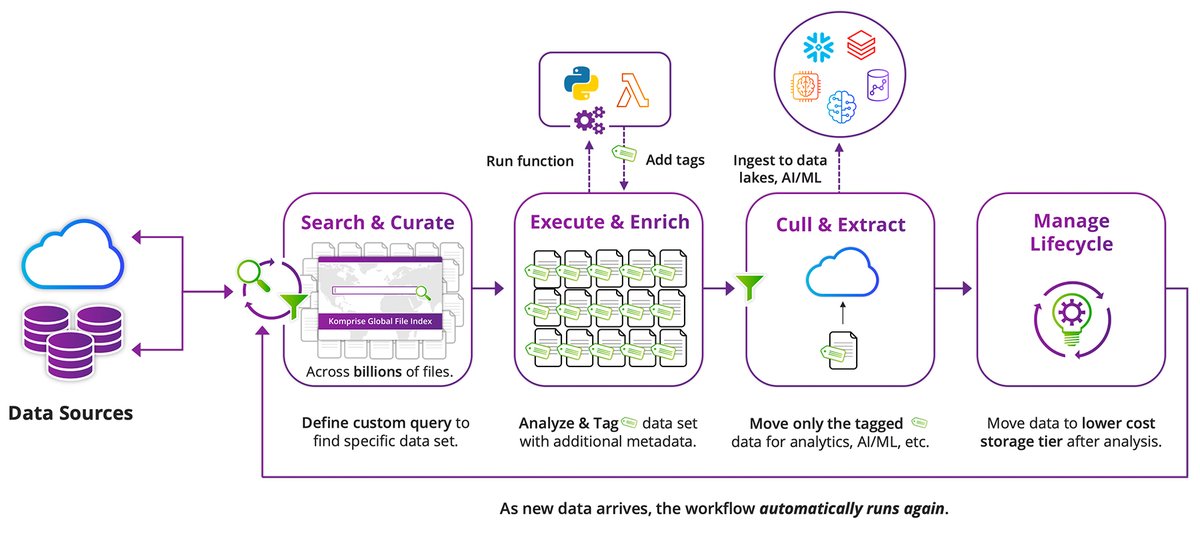
- Smart Document Review and Classification: When unstructured documents (e.g., invoices, legal contracts, customer feedback forms) are ingested, AI models read, interpret, classify, and extract key metadata. Based on this output, the workflow automatically tags the document, routes it to the correct department, triggers approvals, and stores it in the appropriate system. This transforms chaotic document management into an intelligent, automated pipeline.
- AI-Driven Pipeline: Doc Upload → AI Classify/Extract → Tag → Route → Store.
Under the Hood: Technical Integration & Platform Considerations
Integrating generated data into workflows fundamentally relies on robust technical connections. Modern platforms often simplify this through:
- REST Tasks & APIs: These allow your workflow system to connect seamlessly to any AI model hosted on cloud platforms (OpenAI, Azure AI, Google Cloud AI) or private Large Language Model (LLM) servers. It's the standard way for systems to "talk" to each other.
- Custom Tasks/Connectors: For unique needs or deeper integration, platforms may allow you to build custom code logic (e.g., C#) to embed AI calls directly into a workflow step, ensuring bespoke functionality.
- Form AI Assist: Some platforms offer user-facing AI assistance directly within forms, allowing users to interact with AI to validate data, generate suggestions, or fill out sections, enhancing data quality at the point of entry.
- Process AI Evaluation Nodes: These are specific points within a workflow where AI models can analyze current form or process data, provide recommendations, or trigger conditional branches based on their evaluation.
Choosing a platform that provides these flexible integration capabilities is crucial for future-proofing your AI strategy.
Guardrails for Innovation: Security, Ethics, and Governance
While the benefits are clear, integrating AI into workflows demands careful consideration of security, ethical implications, and robust governance. Ignoring these can lead to significant risks, from data breaches to biased decision-making.
- Data Security: Always use secure APIs for AI model access and ensure all transmitted data is encrypted. Implement rate limits and continuous monitoring to detect and prevent unauthorized access or misuse.
- Transparency & Explainability: For compliance-sensitive decisions, especially in regulated industries, AI models must be explainable. This means being able to understand why an AI made a particular recommendation or decision, providing audit trails and justifications.
- Bias Mitigation: AI models can inherit biases from their training data. Implement strategies to detect and mitigate bias in AI-generated outputs, regularly auditing model performance and fairness.
- Audit Trails & Logging: Store comprehensive logs of all AI interactions, decisions, and data inputs. This is essential for compliance, debugging, and post-incident analysis.
- Role-Based Access Control (RBAC): Ensure that only authorized personnel have access to AI configurations, data, and outputs. Enterprise-grade platforms support RBAC to manage permissions effectively.
- Data Privacy: Adhere strictly to data privacy regulations. Ensure that personal identifiable information (PII) is handled securely, anonymized where possible, and only used with explicit consent.
Embedding these guardrails from the outset builds trust, ensures compliance, and allows your organization to innovate responsibly.
Starting Small, Scaling Smart: Your Integration Journey
The journey to an AI-powered workflow isn't about massive, immediate overhauls. It's an iterative path of discovery and continuous improvement.
- Identify High-Impact Candidates: Look for workflows with repetitive human reasoning, significant unstructured data processing, or clear content generation needs. Where can AI provide the quickest win?
- Prototype a Single AI Task: Begin by integrating just one AI task into an existing process. This minimizes risk, provides quick feedback, and helps your team build confidence with the new technology.
- Monitor, Measure, Optimize: Utilize your workflow platform's metrics and logs to fine-tune AI performance, track KPIs, and gather user feedback. Be prepared to iterate and adjust.
- Scale Intelligently: Once you've validated the confidence and ROI from your prototypes, gradually embed AI across more processes and departments. Share success stories to build internal momentum.
The Future is Intelligent
Integrating generated data into your workflows isn't merely a technological upgrade; it's a strategic shift towards building a more intelligent, agile, and resilient organization. By empowering your systems with AI, you free your human talent to focus on creativity, strategy, and complex problem-solving. This positions your company not just to react to the future, but to actively shape it, driving smarter operations and sustainable growth in a rapidly evolving world. The time to embed intelligence into every step of your business processes is now.